Category Archive: Australian History
Menzies versus Evatt
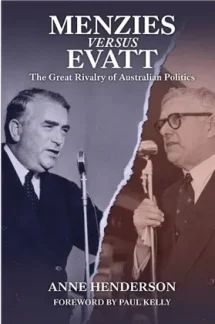
By Anne Henderson (2023) Robert Menzies and Herbert Evatt were both born before Australia was – in 1894 to be exact, in the colonies of Victoria and New South Wales respectively, but they would blossom under the soon-to-be-created Federal Commonwealth. Their natural intelligence and Victorian work ethic set them on the path to success, and to some degree, Australia became the better for their struggle, in that they brilliantly represented, and advocated for, different yet necessary principles and practices of the nation’s democracy. Menzies went to the Victorian bar, and still in short pants lead in the Engineers’ Case (1920),…
Continue Reading →Voicing Doubts

As October 14, Referendum Day, beckons, Australians are asked whether to say “Yes” or “No” to the insertion of a new Chapter (IX) with a single section, s.129, into the Commonwealth Constitution. The key Chapters in the existing Constitution set out the main sources of power, and how that power is balanced, between the Federal Parliament (Chapter I), the Executive Government (Chapter II), the Judicature (Chapter III) and the States that complete our federal system (Chapter V). In Australia’s Federal system, the States have exclusive legislative power over their territories, but the Federal Government can override this by having the…
Continue Reading →Dark Side of Parkside
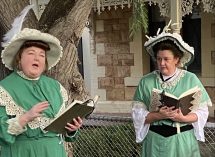
Walking Tour (Adelaide Fringe Festival, 2 March 2023) Parkside, an old suburb just to the south of the Parklands which encircle the Adelaide CBD, is famous for one of the most well-known of all Adelaide’s infamous homicides – the one known as “the body-in-the-freezer murder”. But, while those of us who knew someone involved in this macabre crime, or who worked in the odd building which housed the freezer, are familiar indeed with the gory details, there are some – particularly people born this century – who must have only a vague notion of the events, if any notion at…
Continue Reading →A Bigger Picture

By Malcolm Turnbull (2020) To re-tell a recent joke, with apologies to Frankie Boyle, Turnbull’s memoir is not like Turnbull the man, in 2 respects: it has a spine, and you may not want to put it down. Yes, we’re on record as not being Malcolm fans, for whom this pretty well written and interesting book is designed, though it holds wider interest in following the August path of destiny for Australia’s 29th Prime Minister, a path strewn with garlands and fleeting triumphs, told in a voice of peerless self-confidence, well described by Jonathon Green in the Sydney Morning Herald…
Continue Reading →All things Must Pass
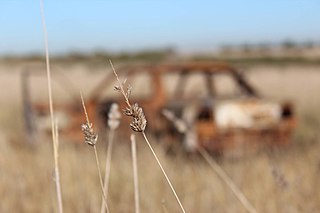
(2017: Holden manufacturing (with wages well above market level) in Australia ceases; 2020: The Holden car (its models no longer competitive at the list price) ceases for good. Certain commentators suggest governments should have ‘done more‘) ‰ We’ve had much hand-wringing of late And cries for intervention by the State, To return us to the good old times Of subsidies and other nursery-rhymes. ⊕ ”Invest” (in losers) interventionists cry, Raise the prices till no one can buy, The Holden car, well ‘she’s a bloody beauty’; When markets fail, we all have a duty. ⊗ (One absorbs the books by Marx,…
Continue Reading →